
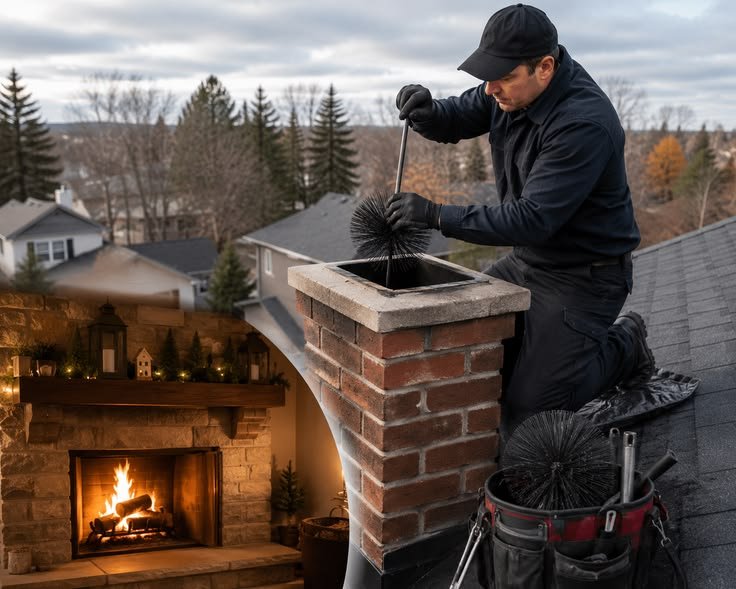
The first of the DIY chimney cleaning tips is to look before you scrub. Shine a flashlight up the flue and check the type of deposit. Light, flaky black soot is the kind a standard brush can remove. If you see hard, shiny, tar-like deposits, which is glazed creosote, stop. Heavy creosote requires chemical treatment or specialized tools that go beyond standard DIY cleaning.
For background on creosote and chimney fire risk, the Chimney Safety Institute of America publishes homeowner guidance and a directory of certified sweeps.
If you’re not sure how thick the buildup is, or you can’t see the whole flue, treat that as a reason to call a pro. For help checking safely first, see our guide on DIY chimney inspection.
The right chimney cleaning tools make the difference between a clean flue and a mess. Gather these before you begin:
Brush type matters. A wire brush suits masonry and clay tile flues, while a poly brush with plastic bristles is the right choice for a stainless steel liner. A wire brush will scratch a stainless liner and create rough spots where creosote builds faster and corrosion can start. Check your liner type before you buy chimney cleaning tools.
You can clean from the top or the bottom, and for homeowners we recommend the bottom-up method. Top-down cleaning means standing on the roof, which is where falls happen. To clean a chimney from the inside, you push the brush on flexible rods up through the firebox, past the damper, and work upward through the flue. It avoids roof work entirely, though it creates more mess inside the house, which is why sealing the opening matters.
If your chimney can only be cleaned from the top, or the roof is steep, wet, or high, leave it to a professional with proper fall protection.
Wait until the fireplace is completely cold, ideally a day after the last fire. Choose calm weather and have a partner nearby. Lay drop cloths over the floor and furniture, and seal the fireplace opening with a drop cloth taped at the edges so soot does not enter the room. Without a tight seal, fine dust can fill the room within minutes.
To clean a chimney from the inside, connect the brush to the first rod and push it up the flue. Work it up and down in short, controlled strokes, twisting slightly, and add rod sections as you go until you have covered the entire length. Short strokes loosen deposits better than long, forceful passes, and they are easier to control.
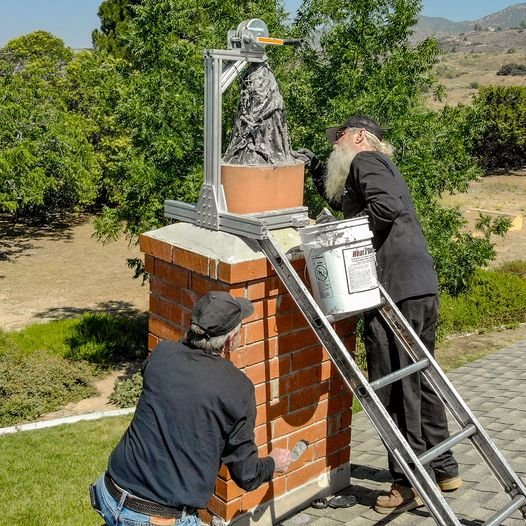
Use a HEPA-filtered shop vacuum to collect loosened soot before it settles back into the firebox. Running the vacuum near the opening while you brush helps keep dust from escaping into the room, and cleaning as you go means less to deal with at the end.
When the flue is done, remove the brush and rods and carefully open the seal. Vacuum the soot that fell into the firebox, then use a smaller stiff brush to scrub the damper, the smoke shelf (the ledge above the damper where creosote collects), and the firebox walls. If your fireplace is masonry, see our guide on the best way to clean a brick fireplace for the surface cleaning that follows.
These creosote removal tips cover what works and what doesn’t:
The best creosote removal tip is prevention. Burn only seasoned hardwood dried at least six months and keep the damper fully open while burning, since wet wood and restricted airflow produce more creosote.
Most DIY chimney cleaning mistakes come from skipping the setup or misjudging the job:
Put the brush down and call a certified chimney sweep if you find any of the following:
Even if you do your own cleaning, schedule a professional inspection at least once a year. A DIY clean removes soot but cannot assess liner damage that a video inspection can reveal. See our guide on how often to sweep your chimney for the schedule that fits your usage.
The Bronx and Westchester see long burning seasons, and fireplaces that run through a New York winter build up creosote quickly. If you would rather skip the mess, the Quick Guys provides professional chimney sweeping and inspection throughout the Bronx and Westchester County. For pricing, see our guide on the average cost of chimney cleaning, and for inspection levels, read how much a chimney inspection costs.
We hold New York State license WC-38593-H25 and carry full general liability insurance. We serve Riverdale, Mott Haven, Pelham Bay, Fordham, Yonkers, White Plains, Scarsdale, and surrounding areas. Call (929) 257-9396 for a free estimate.
DIY chimney cleaning can save money and keep light soot in check, but only if you use the right brush, seal the work area, stay off the roof, and stop at the first sign of glazed creosote or damage. The goal is not to clean at any cost. It is to keep the flue safe.
Use your own cleaning between professional visits, not instead of them. An annual inspection catches the problems a brush cannot.
Contact The Quick Guys directly:
Phone: (929) 257-9396 — call or text, available 7 days
Email: info@thequickguys.com
Website: thequickguys.com
Service area: Westchester County, the Bronx, Yonkers, White Plains, Scarsdale, and surrounding areas
For the cleaning schedule that fits your fireplace, see our guide on how often should you sweep your chimney. Call (929) 257-9396 for a free estimate.
DIY chimney cleaning is reasonable for light, flaky soot if you use the right brush, seal the firebox, and stay off the roof. Stop and call a professional if you find hard, shiny, or glazed creosote, or any damage inside the flue.
A chimney brush sized to your flue, flexible extension rods, a stiff hand brush, a shop vacuum, drop cloths and tape, an N95 mask, goggles, gloves, and a metal bucket for disposal. Use a wire brush for masonry or clay tile and a poly brush for stainless steel.
Seal the fireplace opening, then push a brush on flexible rods up through the firebox and damper and work upward in short strokes, adding rods as you go. This bottom-up method avoids roof work but is messier indoors.
Brush light, flaky creosote with a properly sized brush, dispose of it in a metal bucket, and do not rely on creosote logs alone. Glazed or tar-like creosote needs a professional. Prevent buildup by burning seasoned hardwood with the damper fully open.
Using a wire brush on a stainless liner, skipping the seal, using a brush that does not fit the flue, climbing on the roof in bad conditions, using plastic to dispose of creosote, and scrubbing glazed creosote instead of calling a professional.
The NFPA and CSIA recommend annual inspection, with cleaning whenever creosote reaches 1/8 inch. For many homeowners, that means once a year. Heavy users may need more frequent cleaning.
Yes, an annual professional inspection is still recommended. A DIY clean removes soot but cannot assess liner damage or hidden problems that a video inspection can reveal.