
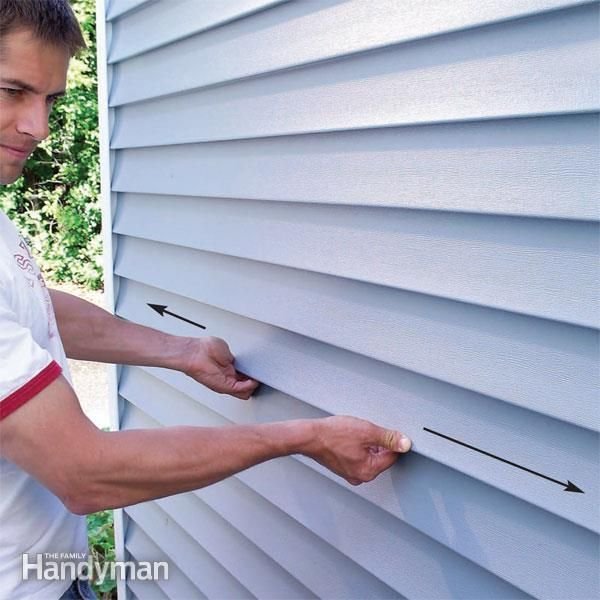
Follow these rules to avoid warping and peeling:
The main limit on vinyl siding paint colors is Light Reflectance Value, or LRV, a 0 to 100 scale where 0 is black and 100 is white. Dark colors absorb more heat, and vinyl that overheats can warp, buckle, or distort. Painting guides commonly use LRV 55 or higher as a rule of thumb for standard vinyl, and some manufacturers specify a minimum for their siding.
If you want a darker look, some paint lines are made for it. Vinyl safe paint uses special pigments that reflect more infrared light, so a darker shade does not absorb as much heat. If you go this route, use only the colors the product is rated for on vinyl, and confirm it with the paint maker.
It should be structurally sound, with no cracking, brittleness, or warping.
Clean the surface thoroughly and treat any mildew. Let it dry completely.
Fix small damage and gaps before painting.
Use a bonding primer made for the surface where recommended.
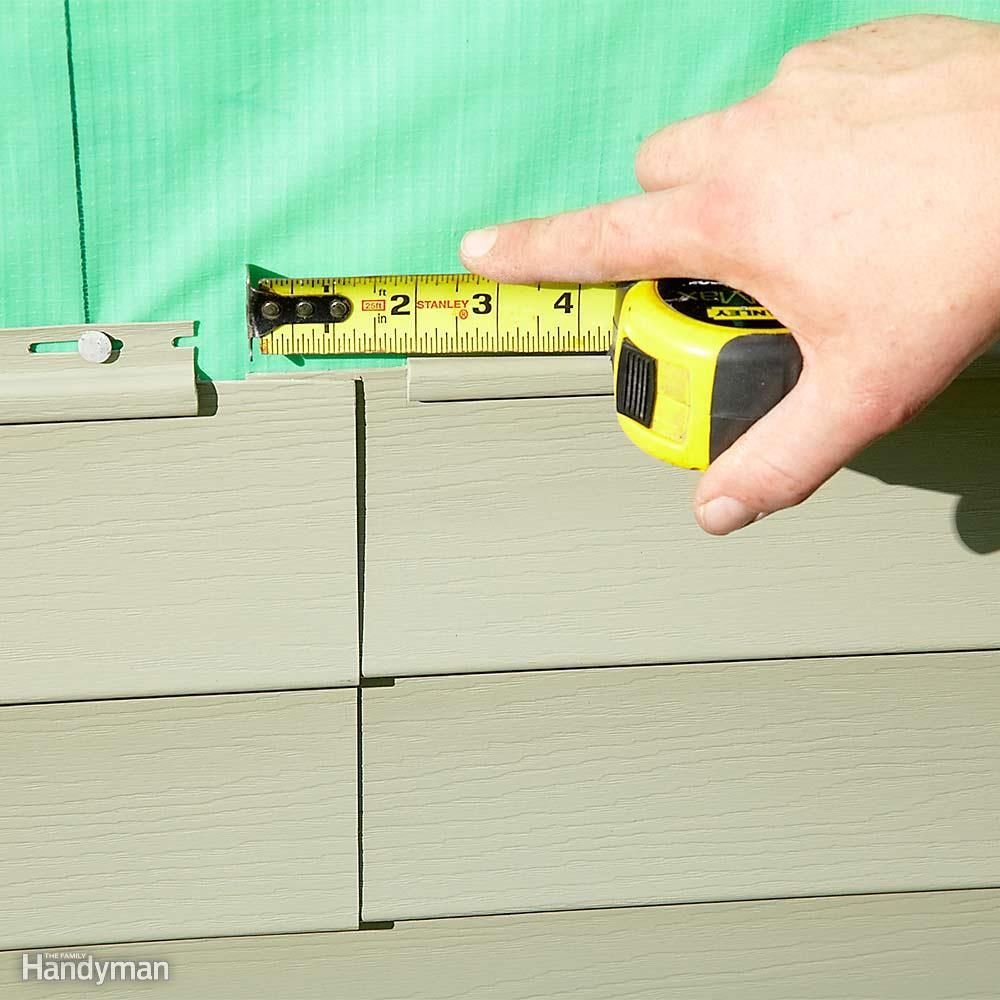
Use vinyl-safe acrylic paint, and let each coat dry per the label.
Avoid direct hot sun and cold, damp days. Use the product label for temperature limits.
Published figures vary, so treat these as ranges:
Painting costs less up front, but paint does not last as long as new siding. For replacement pricing across materials, see our guide on the average cost to replace siding on a house.
Often, yes. Several guides say most vinyl siding manufacturers void their warranty once you paint the surface, and some warranties specifically exclude altering the original color or finish. Going darker than the manufacturer’s rating is a common trigger. Read your warranty or call the manufacturer before you paint, especially if the siding is still under coverage.For general guidance on vinyl siding, the Vinyl Siding Institute publishes resources for homeowners.
One guide estimates about 10 years of life with good prep, compared with 20 to 40 years for the vinyl itself. Paint life depends on prep, color choice, and exposure, and the south and west sides of a house usually wear fastest. If the vinyl is already near the end of its life, paint will not
Mistakes that cause peeling or warping:
Skip painting, or talk to a professional first, if:
Our region has real winters and hot summers, so timing matters. Spring and early fall are the usual windows, when temperatures stay in a moderate range. Before you paint, make sure the siding is sound and water is not getting behind it. If it is not, see our guide on replacing wood siding on a house for the broader siding options, and our roof inspection service in Westchester if you suspect drainage problems at the roofline.
The Quick Guys General Construction Inc. is a licensed Home Improvement Contractor in Westchester County, License WC-38593-H25. 1633 Melville Street, Bronx, NY 10460. Call (929) 257-9396.
You can paint vinyl siding if the siding is sound, the color is the same or lighter (or vinyl-safe), and the prep is done properly. Expect around a decade of life from the paint, and check the warranty first. When the siding is warped, brittle, or near the end of its life, replacing it is usually the better spend.
Contact The Quick Guys directly:
Phone: (929) 257-9396 — call or text, available 7 days
Email: info@thequickguys.com
Website: thequickguys.com
Service area: Westchester County, the Bronx, Yonkers, White Plains, Scarsdale, and surrounding areas
Yes, using 100 percent acrylic exterior paint made for vinyl, in a color the same as or lighter than the original, after cleaning and priming where needed.
Regular dark paint absorbs heat and can warp vinyl. If you want a darker color, use a vinyl safe paint rated for it, and confirm it with the paint maker.
Painting guides commonly use an LRV of 55 or higher as a rule of thumb for standard vinyl. LRV measures how much light a color reflects, on a scale of 0 to 100.
Often yes. Several guides say most manufacturers void the warranty once the surface is painted. Check yours before you start.
Professional painting is commonly quoted at about $1.50 to $4 per square foot, and whole-house quotes range from a few thousand to around $10,000 depending on size and the guide.
Paint is cheaper up front and works on sound, faded siding. Replacement makes more sense when siding is warped, cracked, or near the end of its life, since paint will not fix those.