
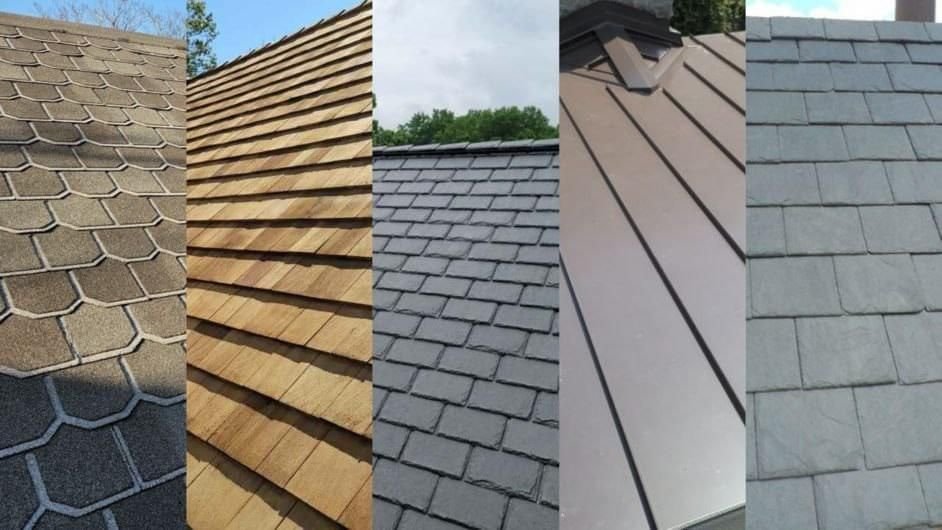
A cool roof does two things: it reflects sunlight (solar reflectance) and it releases the heat it does absorb (thermal emittance). Solar reflectance is measured on a scale of 0 to 1, where a higher number means more sunlight bounced away. According to ENERGY STAR, citing the Lawrence Berkeley National Laboratory Heat Island Group, a clean white roof that reflects 80 percent of sunlight stays about 50°F cooler on a typical summer afternoon than a gray roof that reflects only 20 percent.
Modern cool roofing materials do not have to be white. Infrared-reflective pigments reflect invisible heat while still absorbing visible light, so even darker colors can have cool-roof properties. The lightest colors still reflect the most.
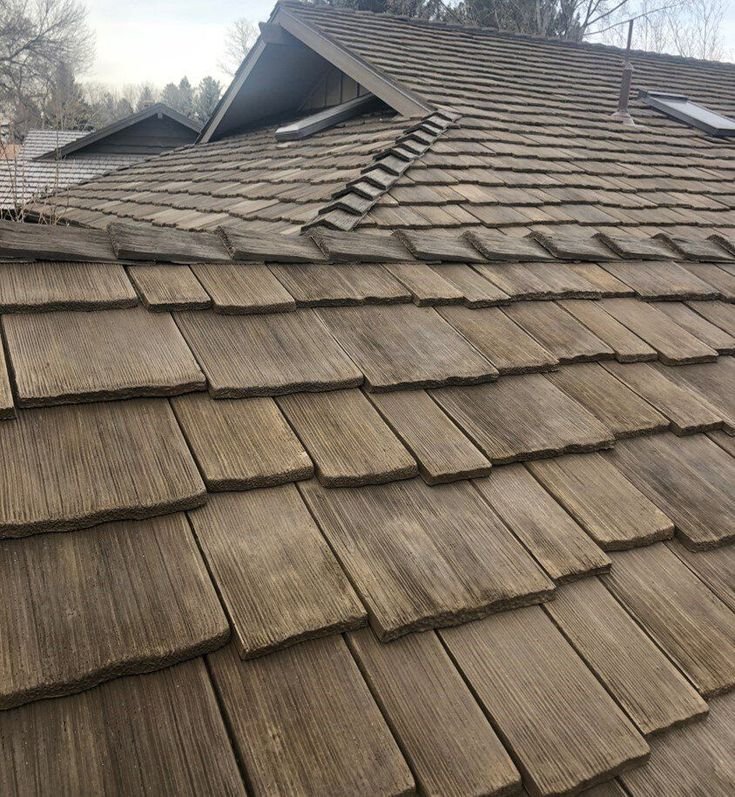
Cool roof shingles are asphalt shingles made with reflective granules, and they are the easiest entry point because they look like a normal roof. They typically reflect 25 to 40 percent of solar energy, and ENERGY STAR-rated versions are widely available. Roofing guides put the premium at roughly $50 to $100 more per square than standard architectural shingles, which makes cool roof shingles the lowest-cost way into reflective roofing. They suit homeowners who want better performance without changing how the house looks.
Cool metal roofing uses factory-applied reflective pigment coatings and delivers the highest reflectivity among common steep-slope materials, with light colors reflecting up to roughly 70 percent of solar energy. Standing seam panels are often quoted at about $10 to $16 per square foot installed. The upfront cost is higher, but cool metal roofing also lasts decades longer than asphalt. If you are weighing an overlay, read our guide on whether you can install a metal roof over shingles before you decide.
White TPO roofing is the standard cool option for flat and low-slope roofs, with single-ply membranes reaching roughly 70 to 85 percent solar reflectance, the highest of any common residential roofing material. One NYC pricing guide puts a white TPO roof at about $8 to $13 per square foot. This matters in the Bronx, where many rowhouses and additions have flat roofs. For help choosing between roof types, see our guide on flat roof vs pitched roof.
Light clay and concrete tiles reflect roughly 35 to 55 percent of solar energy, and their thermal mass slows heat transfer, which can delay peak attic temperatures by a couple of hours. Tile is heavy, so the structure has to support it, and it is less common on Northeast homes than asphalt or metal.
Reflective coatings can turn an existing roof into a cool roof, which makes them useful when full replacement isn’t on the table. Quality coatings can reach roughly 70 to 85 percent reflectance and are quoted at about $1.50 to $4.00 per square foot applied. They work best on suitable flat or low-slope roofs in sound condition and need reapplication over time.
Vegetated roofs cool a building through insulation and evaporation rather than reflectance, and they also manage stormwater. They need a structure that can carry the added weight and a waterproofing system designed for them, so they are a specialist project rather than a routine replacement.
Here is how the main cool roofing materials line up by what you are trying to do:
The numbers you see online need context. The U.S. Department of Energy’s cool roof estimates of 10 to 25 percent cooling savings are for climate zones 1 through 3, the hotter parts of the country. New York City sits in climate zone 4A, a mixed humid climate, so savings are smaller than those headline figures. Estimates from roofing guides also vary widely, for example $100 to $300 a year for cool roof shingles and $200 to $500 a year for cool metal roofing, and those figures come from hot-climate assumptions.
Cool roofs work in summer, and in a region with long, cold winters a reflective roof gives up some heating benefit. That is why a cool roof makes the most financial sense when it is paired with good attic insulation and ventilation, and when you were already replacing the roof. Some utilities offer rebates for ENERGY STAR roofing products, so check before you buy.
NYC cool roof requirements are not optional guidance. The NYC Department of Buildings states that in New York City all roofs must be cool roofs, with some exceptions, meaning the materials must meet solar reflectivity requirements. The city code sets separate reflectance thresholds for low-slope and steep-slope roofs, and the exact values and exemptions depend on your building and the code cycle in force.
That makes NYC cool roof requirements a practical reason to choose reflective materials when you replace a roof in the Bronx. Because published thresholds differ between sources, confirm the current values for your specific roof with a licensed contractor or the DOB before you order materials. Westchester is outside NYC, so its municipalities follow their own local requirements.
Before you commit to any of the cool roofing materials above, ask your contractor these questions:
The Quick Guys installs and replaces roofs throughout the Bronx and Westchester County, and we help homeowners compare cool roof shingles, cool metal roofing, and flat-roof membrane options against their budget and local code. Every project starts with an in-person assessment and a written estimate. For a full picture of your current roof before you replace it, see our roof inspection service in Westchester, and for pricing on the most common option, read our guide on the average cost to replace roof shingles.
We hold New York State license WC-38593-H25 and carry full general liability insurance. We serve Riverdale, Mott Haven, Pelham Bay, Fordham, Yonkers, White Plains, Scarsdale, and surrounding areas. Call (929) 257-9396 for a free estimate.
Cool roofing materials are a good idea when they fit the roof you already need to replace. Cool roof shingles add modest cost for a normal-looking roof, cool metal roofing is the long-term option, and white membranes are the natural choice for flat roofs. Savings in New York will be real but smaller than the hot-climate numbers, so choose on code compliance, durability, and total cost rather than on energy savings alone.
If you are in the Bronx, check NYC cool roof requirements first, because they may decide the material for you.
Contact The Quick Guys directly:
Phone: (929) 257-9396 — call or text, available 7 days
Email: info@thequickguys.com
Website: thequickguys.com
Service area: Westchester County, the Bronx, Yonkers, White Plains, Scarsdale, and surrounding areas
For a full assessment before you choose a material, see our roof inspection service in Westchester. Call (929) 257-9396 for a free, written estimate.
Cool roofing materials are roofing products with high solar reflectance and thermal emittance, so they reflect more sunlight and release absorbed heat. Standard dark shingles reflect about 5 to 15 percent of solar energy, while cool roofing materials reflect roughly 25 to 90 percent.
Cool roof shingles are asphalt shingles with reflective granules that typically reflect 25 to 40 percent of solar energy. They cost roughly $50 to $100 more per square than standard architectural shingles, making them the lowest-cost reflective option for a pitched roof.
Cool metal roofing reflects more sunlight, with light colors reaching up to roughly 70 percent, and it lasts longer, but it costs more upfront. Cool shingles cost less and keep a traditional look. The better choice depends on budget and how long you plan to stay.
White TPO roofing is a single-ply membrane used mainly on flat and low-slope roofs. It reaches roughly 70 to 85 percent solar reflectance, the highest of common residential roofing materials, and is common on city rowhouses and additions.
Less than hot-climate figures suggest. The Department of Energy’s 10 to 25 percent cooling savings apply to climate zones 1 through 3, and New York City is in zone 4A. Savings are largest when a cool roof is paired with good insulation and ventilation.
According to the NYC Department of Buildings, all roofs in New York City must be cool roofs, with some exceptions, meeting solar reflectivity requirements. Thresholds differ for low-slope and steep-slope roofs, so confirm current values for your roof before ordering materials.
They can, mainly when you are already replacing the roof and need to meet code. Because cool roofs help in summer and give up some winter heating benefit, they work best with proper attic insulation and ventilation.