
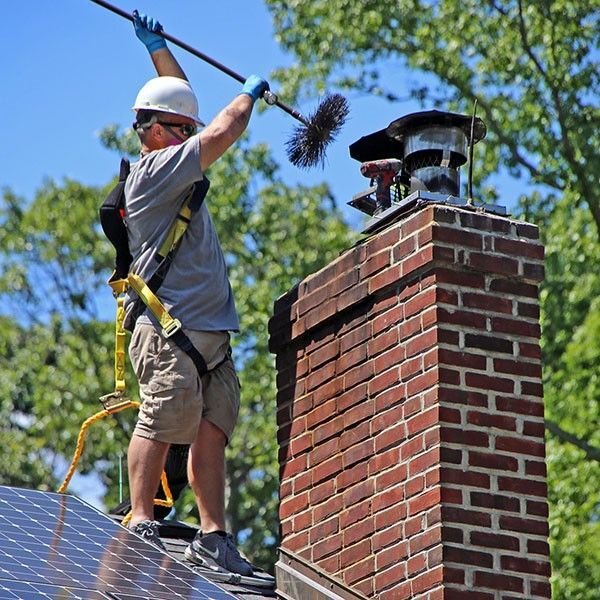
Two organizations set the national standard for chimney maintenance in the United States: the National Fire Protection Association (NFPA) and the Chimney Safety Institute of America (CSIA). Both agree on the baseline: every chimney, fireplace, and venting system in the country should be inspected at least once a year, regardless of how frequently it is used. This recommendation applies equally to wood-burning fireplaces, gas fireplaces, pellet stoves, oil furnace flues, and wood stoves. The logic is straightforward — even a chimney that was never used during the past heating season can develop blockages from animal nests, moisture damage to the liner, or deteriorated mortar that create a fire or carbon monoxide hazard.How often chimney cleaning is needed ultimately comes down to usage pattern, but the NFPA baseline of once a year applies to every household regardless of how the fireplace is used.
The CSIA adds a second, use-based threshold that is more specific: sweep your chimney whenever creosote buildup on the flue walls reaches 1/8 of an inch in depth. At that thickness, the deposit is flammable enough to ignite from a stray spark and sustain a chimney fire. If glazed creosote appears at any thickness — the shiny, tar-like, hardened form that results from slow, smoldering fires — the CSIA recommends immediate cleaning regardless of how recently the chimney was last swept. Glazed creosote is the most dangerous form of the substance because it is extremely dense, burns at very high temperatures, and is difficult to remove even with professional equipment. Finding it means stopping all fireplace use until the chimney is professionally cleaned.
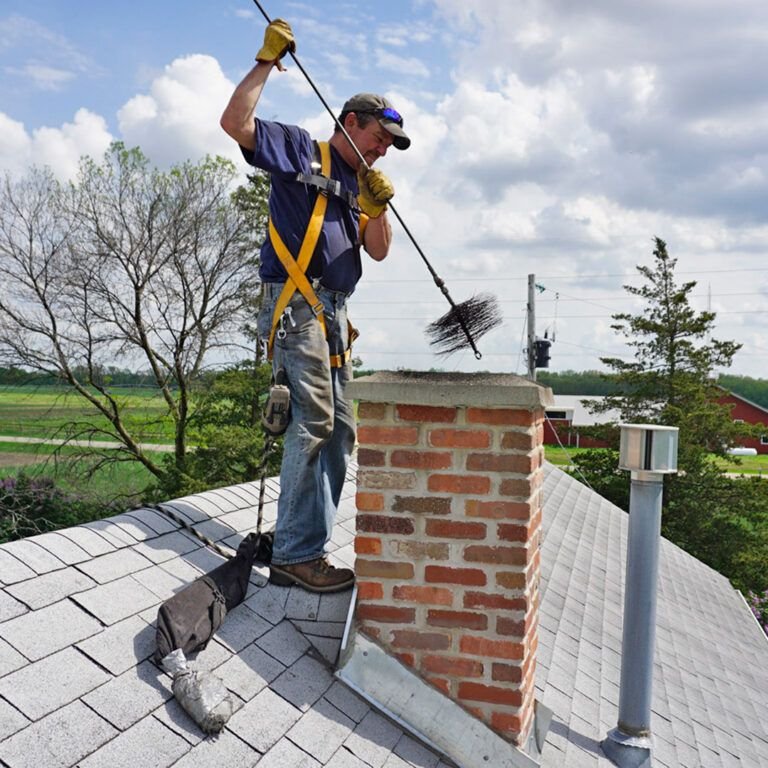
Chimney sweep frequency is not one-size-fits-all — the right sweep frequency depends on three factors: how often you use your fireplace, what fuel you burn, and what type of appliance you have.
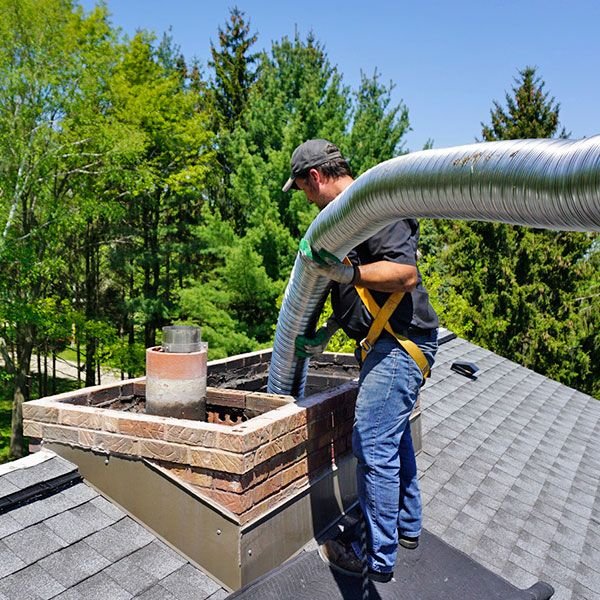
If you use your wood-burning fireplace occasionally — a few times a week during the coldest months, mostly for ambiance rather than heat — an annual sweep is sufficient provided you are burning the right fuel. Seasoned hardwood such as oak, maple, hickory, or ash produces far less creosote than softwood or wood that has not been properly dried. Hardwood burns hotter and more completely, leaving less unburned vapor to condense on the flue walls. The best time to schedule your annual sweep is late summer — July through September — before the demand surge that hits every chimney company in the New York area from October onward. Scheduling early gives you time to address any repairs before you need the fireplace.
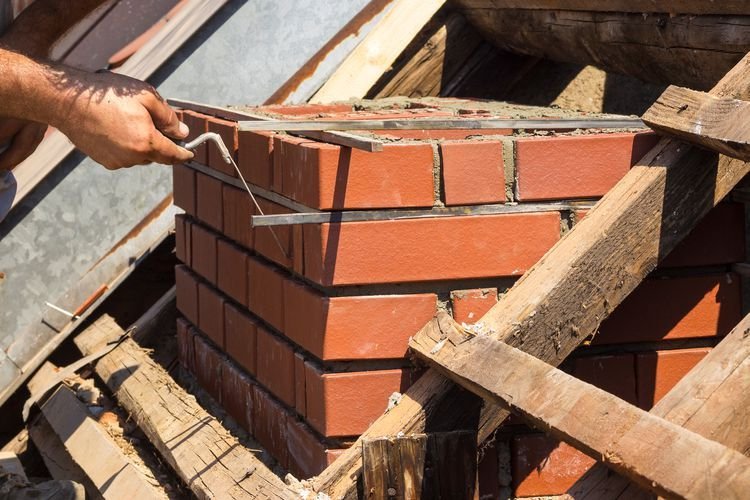
If your fireplace or wood stove is your primary or secondary heat source and you are burning through the Bronx and Westchester winter from November to March, annual sweeping is not enough. Heavy users should plan for a sweep every 3 to 6 months — one in early fall before the season begins, and one mid-season in January or February if you are burning consistently. The Bronx and lower Westchester sit in a climate zone that averages 30 to 40 freeze-thaw cycles per winter, and fireplaces running daily through those months accumulate creosote at a rate that can reach the 1/8-inch danger threshold well before spring. If you are burning more than one cord of wood per season, treat the mid-season inspection as non-optional rather than precautionary.
Wood stoves and fireplace inserts operate at lower flue temperatures than open fireplaces, which means combustion is less complete and creosote forms more quickly on the cooler flue walls. This makes them the highest-risk appliance for creosote accumulation. The sweep schedule for a heavily used wood stove mirrors the recommendation for a heavy-use fireplace — every 3 to 6 months during the active season — but even a lightly used stove should be swept at least once a year and inspected for deteriorated gaskets, warped doors, and damaged catalytic combustors if the unit has one.

Gas fireplaces burn cleaner than wood and produce minimal creosote, so the sweeping requirement is much lower. However, annual inspection remains essential for gas systems and should not be skipped. Gas chimneys develop blockages from bird and animal nests during the spring and summer months when the chimney is inactive, and the venting system — whether a direct-vent B-vent or a traditional masonry flue — can develop cracks and deterioration that allow carbon monoxide to enter the living space instead of exiting through the chimney. CO has no color, no smell, and no warning before it incapacitates — it is the number one cause of poisoning fatalities in the United States. Annual inspection of a gas fireplace is not optional, even if cleaning is rarely needed.
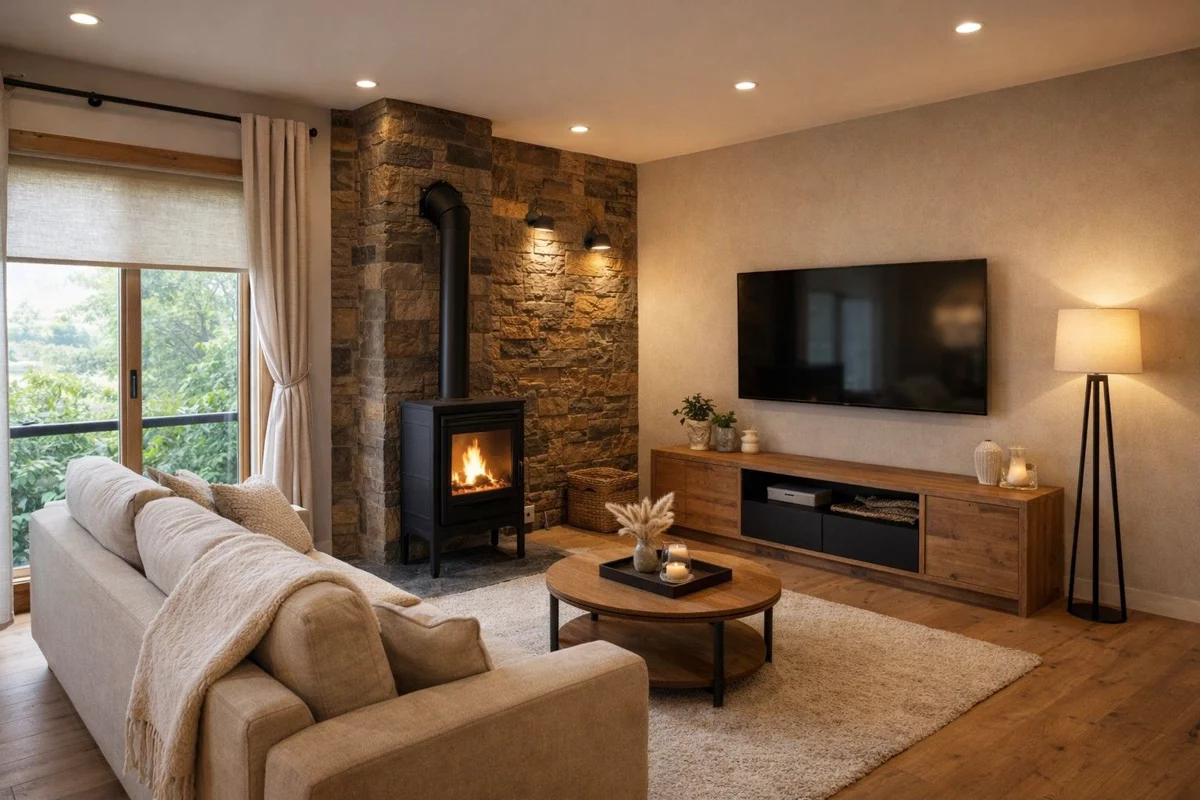
Pellet stoves require the most frequent routine maintenance of any common heating appliance. The burn pot and ash collection system should be cleaned monthly during the active season, and the exhaust venting system requires a full professional sweep and inspection annually. Pellet combustion produces a fine, powdery ash that accumulates in the venting tubes and can restrict airflow enough to trigger back-puffing — exhaust escaping into the room — if not cleaned regularly. Unlike wood stoves, pellet stoves have electrical components, auger systems, and combustion blowers that also need to be checked annually by a qualified technician.
Oil furnace flues should be swept and inspected every year without exception. Oil combustion produces a heavy soot that accumulates on flue walls and can cause significant restriction over a single heating season. A partially blocked oil flue reduces furnace efficiency, increases fuel consumption, and — most dangerously — can cause combustion gases including carbon monoxide to backdraft into the home. Annual sweeping of an oil flue is not a maintenance preference; it is a safety requirement and, in many jurisdictions in New York, a code obligation.
Regardless of when you last had your chimney swept, these six warning signs mean you should call a professional before your next fire — not at the next scheduled appointment.
A persistent odor of burning wood or a sharp, acrid smell coming from the fireplace when no fire is burning almost always indicates significant creosote buildup in the flue. The smell intensifies in summer because heat and humidity activate the volatile compounds in the creosote deposits. If the smell is strong enough to notice from across the room, the buildup is substantial enough to warrant immediate cleaning. This is one of the most reliable early warning signs, and homeowners who catch it in spring or early summer avoid the fall rush when sweep schedules fill up quickly.
A properly functioning chimney creates negative pressure — the stack effect — that draws combustion gases up and out of the home. When smoke backs up into the living space during a fire, that negative pressure has been disrupted. The most common causes are a blocked or partially blocked flue (creosote, debris, or a collapsed section of liner), a closed or stuck damper, or a pressure imbalance caused by tight insulation and insufficient makeup air. A blocked flue is the most dangerous scenario because the same restriction that causes smoke to back up also causes carbon monoxide to back up — and CO is invisible and odorless. Any fire that produces room smoke is a fire that should not be lit again until the chimney is inspected.
If you look into your firebox and see a shiny, tar-like, or hardened black coating on the walls or at the base of the flue opening, you are looking at glazed creosote — the third and most dangerous stage of creosote development. Stage one creosote is light and powdery and sweeps off easily. Stage two is flakier and harder. Stage three — the glazed form — is the result of repeated slow, smoldering fires and is extremely difficult to remove even with professional rotary equipment. It is also far more flammable than the earlier stages, igniting at lower temperatures and burning longer and hotter once ignited. Finding any glazed creosote means stopping all fireplace use immediately and calling a certified chimney sweep.
A fireplace that is hard to light, produces more smoke than usual for the amount of wood burning, or goes out repeatedly without maintaining a strong draft is signaling a restricted flue. Adequate airflow is the foundation of clean, complete combustion — without it, wood smolders rather than burns, producing dramatically more creosote per fire than a hot, well-drafted fire would. A fireplace that is already struggling to draw is accumulating creosote at an accelerated rate with every fire you light. The restriction should be diagnosed and cleared before continued use makes the problem significantly worse.
Chirping, scratching, or rustling sounds from the chimney during spring and summer are almost always birds or animals that have nested in the flue. Chimney swifts are federally protected migratory birds that commonly nest in traditional masonry chimneys — their nests cannot be legally removed while the birds are present, but a certified sweep can inspect the extent of the nesting, advise on the timeline, and install a properly fitted chimney cap once the birds have departed. Squirrels and raccoons also enter chimneys and can fall into the firebox if they cannot exit the way they came in. A capped and swept chimney prevents all of these scenarios.
Finding fragments of clay tile, brick, or mortar in your firebox is one of the most serious warning signs a chimney can produce. It means the flue liner — the critical barrier between the fire in your chimney and the structural framing of your house — is deteriorating. A cracked or spalled liner can allow heat, sparks, and combustion gases to escape into the wall cavity, attic, or structural elements of the home. Do not use the fireplace under any circumstances until a licensed chimney professional has inspected the liner and determined whether repair or full replacement is necessary. This is the one warning sign that requires an immediate call, not a scheduled appointment.
Skipping chimney maintenance is not a low-stakes decision, and the consequences are not limited to a dirty firebox. According to the NFPA, chimney fires cause an estimated $125 million in property damage in the United States every year. The vast majority are caused by creosote ignition in chimneys that were not cleaned on schedule. A chimney fire that ignites in the flue can reach temperatures above 2,000°F — hot enough to crack the clay tile liner, ignite the wood framing immediately adjacent to the chimney, and spread into the walls and attic of the home before the fire department arrives. What makes chimney fires especially dangerous is that many of them go completely undetected at the time they occur. The homeowner notices nothing alarming, the fire burns itself out inside the flue, and the liner is left cracked and compromised. The next fire sends heat and combustion gases directly into the structural cavity of the house.According to the National Fire Protection Association’s official chimney fire safety guidelines https://www.nfpa.org
Carbon monoxide poisoning is the other consequence of neglected chimney maintenance, and in many ways it is more insidious than a chimney fire because there is no visible sign that anything is wrong. A blocked flue — whether blocked by creosote buildup, a bird nest, collapsed masonry, or a stuck damper — can push CO directly back into the living space instead of exhausting it through the chimney. Carbon monoxide has no odor, no color, and no taste. It causes headache and dizziness first, then confusion and loss of consciousness. CO poisoning is the number one cause of accidental poisoning fatalities in the United States. The cost of a standard annual chimney sweep is $150 to $500. The cost of a chimney fire is $4,000 to $20,000 in structural repairs — not counting displacement, lost contents, and increased insurance premiums.
Sticking to a proper chimney cleaning schedule also affects cost — chimneys swept on time require simpler Level 1 service, while neglected chimneys often need more extensive (and expensive) attention.Chimney sweep pricing in New York in 2026 varies based on the level of service, the size and complexity of the chimney, and how long it has been since the last cleaning. Here is what most Bronx and Westchester homeowners pay.
This is the standard annual service and what most homeowners need if they use their fireplace occasionally and had it cleaned within the past year or two. The sweep performs a full visual inspection of all accessible components — the firebox, damper, smoke chamber, flue, exterior crown, and cap — and brushes the flue to remove creosote and soot accumulation. The job takes 45 minutes to 1.5 hours for a single fireplace. At The Quick Guys, every Level 1 service includes a written report documenting the condition of each component and any recommended repairs.
A Level 2 inspection includes everything in Level 1 plus a video scan of the interior flue using a specialized chimney camera. The camera reveals cracks in the liner, separated joints, collapsed sections, and other damage that is not visible during a standard visual inspection. You need a Level 2 inspection when buying or selling a home, after any chimney fire — even one you suspect may have been minor — after a significant storm with high winds, or any time you change your heating system or switch fuel types. Real estate transactions in Westchester County increasingly require a certified chimney inspection as a condition of sale, and a Level 2 inspection report satisfies that requirement.
A Level 3 inspection involves physical access to concealed areas of the chimney system — opening walls, removing the chimney crown, or disassembling components — to evaluate damage that cannot be seen with a camera. It is only performed when there is strong evidence of serious structural damage, such as after a significant chimney fire or a major structural event. The vast majority of homeowners will never need a Level 3 inspection in the life of their home.
The best time to schedule a chimney sweep in the Bronx and Westchester County is between July and September — late summer, before the fall heating season begins. This is true for three reasons. First, chimney companies in the New York area are fully booked from October through December as homeowners who waited until the last minute compete for the same appointment slots. Scheduling in summer means you get a convenient time, faster service, and in many cases better pricing from companies offering off-season rates. Second, if the sweep finds damage — a cracked liner, deteriorated flashing, a failed chimney crown — you have enough time to have it repaired before the first cold night requires the fireplace. Finding significant damage in November means using space heaters until February while waiting for a repair crew. Third, annual sweeps performed in late summer remove the creosote that accumulated during the previous heating season before it sits through the hot, humid New York summer, when heat and humidity intensify creosote odors and accelerate corrosion inside the liner.
Spring — April and May — is the second-best scheduling window for the same reasons. If you missed the summer window, spring sweeps remove the season’s accumulation before summer sets in and allow time for any repairs before the following heating season. The one time to avoid is October and November, when every chimney sweep in the area is running at full capacity and wait times stretch to several weeks.
How often to clean chimney systems is a question with a straightforward answer — once a year at minimum, every 3 to 6 months if you burn heavily — but the harder question is why so many homeowners put it off. A chimney sweep is not an exciting home improvement project. It does not add visible value the way a kitchen renovation does. The results are invisible — a clean flue, a sound liner, a properly sealed crown — and that invisibility makes it easy to postpone. But the consequences of postponing are not invisible. A chimney fire is visible. Water damage from a failed crown is visible. A carbon monoxide alarm going off at 2 in the morning is very much felt. The cost of prevention is $150 to $500 per year. The cost of the problems it prevents runs into the thousands — and in the case of a house fire or CO poisoning, the cost cannot be measured in money at all.
Ready to book? Contact The Quick Guys directly:
Phone: (929) 257-9396 — call or text, available 7 days
Email: hans@thequickguys.com
Website: thequickguys.com
Service area: Bronx, Westchester County, Mount Vernon, Yonkers, New Rochelle, and surrounding areas
For chimney repair, chimney rebuild, flashing replacement, crown repair, or liner installation, visit our chimney repair page at:
thequickguys.com/chimney-repair-bronx/
For roof inspection combined with chimney assessment — a service we recommend before every heating season — visit:
thequickguys.com/roof-inspection-westchester/
For all roofing and exterior services across the Bronx and Westchester:
thequickguys.com